The Power of Ecstatic Dance
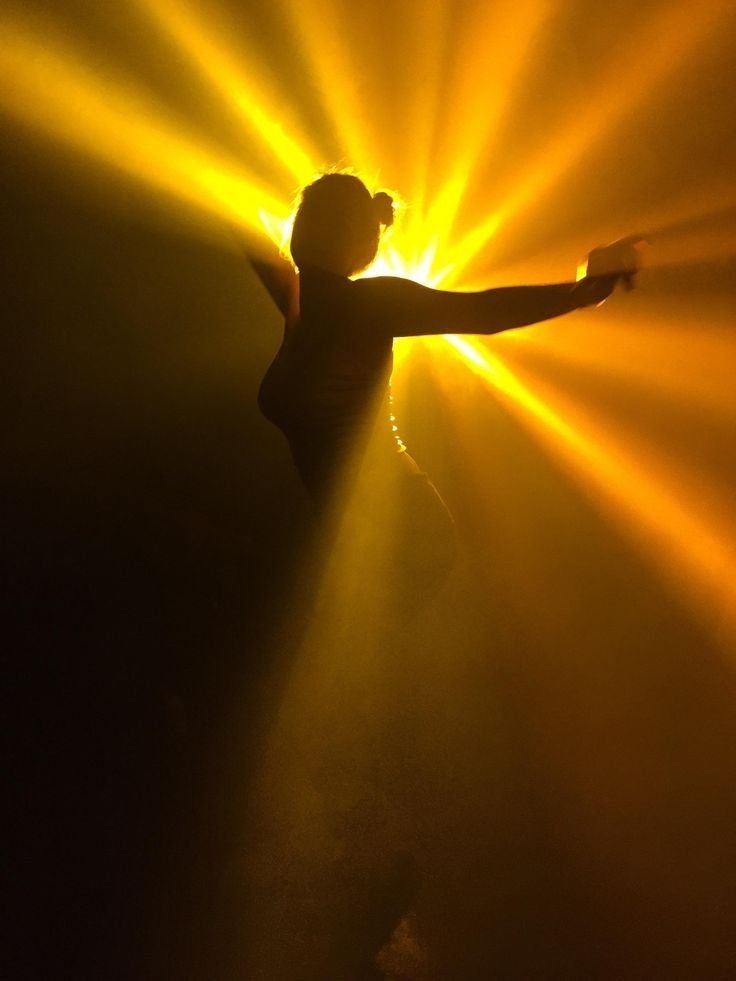
‘Listen to the music with your soul. Now, while listening, do you not feel an inner self awakening deep within you—that it is by its strength that your head is lifted, that your arms are raised, that you are walking slowly toward the light?’ - Isadora Duncan
As a dance and movement facilitator, I witness the deep transformation that happens when we simply allow our bodies to move without judgment. We step onto the dance floor seeking a workout, a creative outlet, or a moment of stress release, but what we often find is something far deeper: a path to the ecstatic and the transcendental.
This isn't just about movement; it's about reclaiming an ancient, powerful way of being.
The Sacred Language of Movement
There was a time in history when dance wasn't seen as entertainment or exercise—it was considered the highest expression of spirituality, the direct language for communing with the divine.
In many ancient cultures, rhythmic, uninhibited dance was used to usher in spiritual states. These movements were an essential ritual, connecting the physical rhythms of the body to the cosmic rhythms of life, the seasons, and the soul. They were powerful acts that reunited the long-separated body, mind, and spirit into a coherent, sacred whole.
Ecstatic Dance
The term "ecstatic" comes from the Greek ekstasis, meaning "to be placed outside or beyond." This is the essence of moving so fully, so honestly, that you step outside the boundaries of your ordinary, thinking self.
In an ecstatic state achieved through dance, we:
Shed the mundane - The constant chatter of the ego, the to-do lists, and the self-criticism dissolve.
Access the primal - We tap into a raw, vital energy that is purely expressive and inherently wise.
Achieve transcendence - We move past the limitations of the physical body and experience a feeling of being one with the rhythm, the space, and the collective energy around us. It is the dance that ceases to be about the dancer and becomes a pure flow of energy.
This type of movement is not about technique; it is about truth. It is in this raw, surrendered state that deep healing—for grief, for loss, for trauma—becomes possible, as the body processes and releases what words cannot touch.
Your Movement is Your Medicine
The beauty of dance is that you don't need a temple, a specific costume, or a set ritual to begin. You have everything you need: your body, your breath, and the willingness to surrender control.
We may live in a modern world, but we can actively choose to integrate the "sacred dance" back into our daily lives:
Find the Rhythm: Put on music and allow yourself to move without a mirror. Close your eyes and let the rhythm move through you, not just to you.
Move the Feeling: Instead of trying to feel better, let your movement express exactly how you feel. If you are heavy, move heavily. If you are restless, shake it out.
Trust Your Body’s Wisdom: Your body is not an object to be trained; it is a sacred vessel that knows the way. The next movement is always the right one.
When we allow ourselves the freedom to move, to spin, to weep, or to jump for joy, we are not just engaging in physical activity—we are participating in an unbroken tradition of communing with the very source of life. We are healing, reclaiming our power, and dancing ourselves home.
By Hannah Green, Dance and Movement Facilitator